
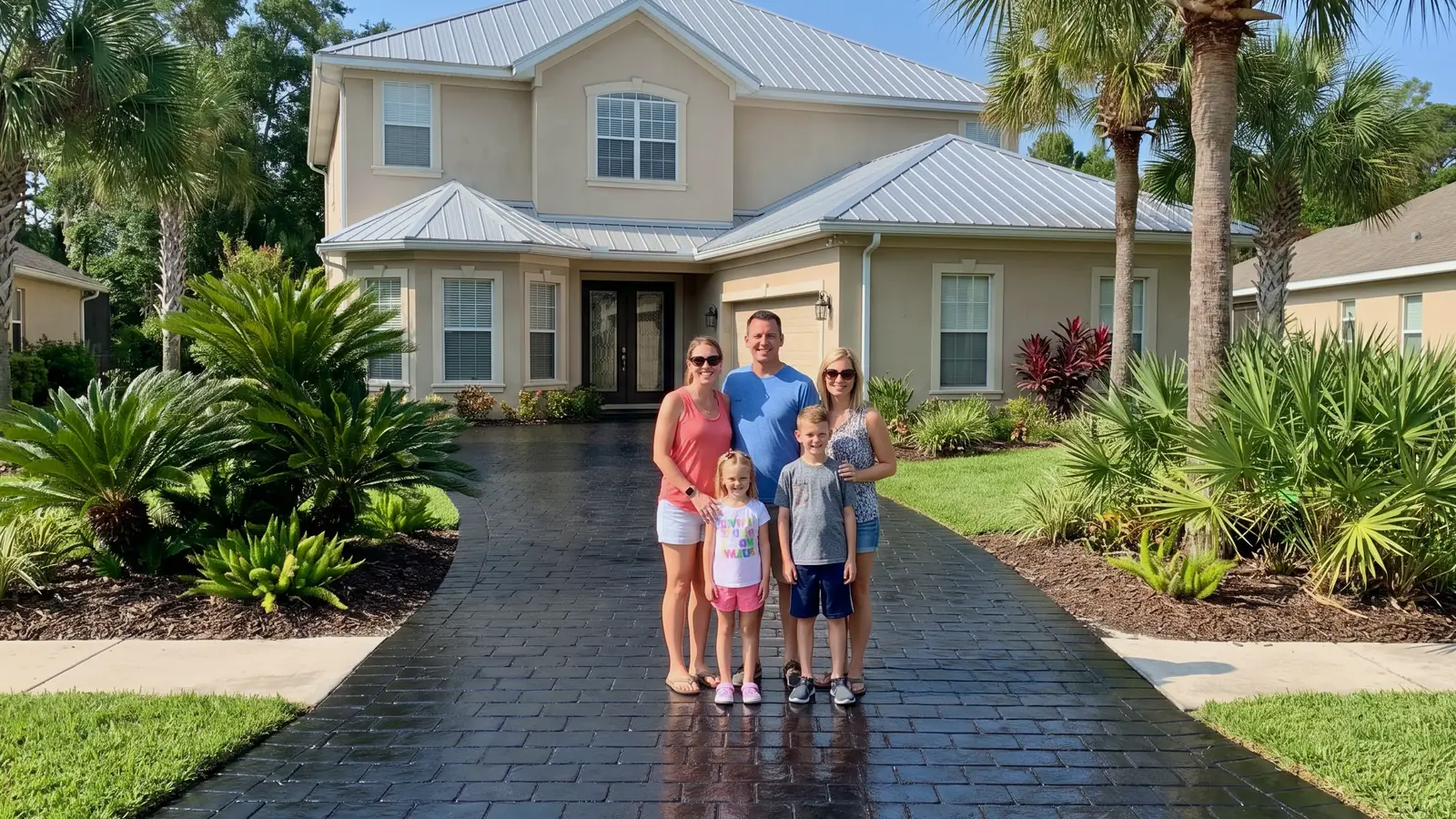
Paver sealing for Tarpon Springs homes
Paver Sealing in Tarpon Springs, FL
Tarpon Springs pavers sit near bayou water and shade, so call (727) 324-4247 for a free sealing estimate.
- Brings out deeper paver color
- Fresh joint sand helps lock pavers in place
- Gives weeds less room to grow
- Makes the surface easier to keep clean
- Free estimate, no obligation
Request a Free Estimate
Free, no obligation.
Fast, careful paver sealing in Tarpon Springs
Paver sealing in Tarpon Springs is open to homes from the Anclote River to the bayou streets, and the estimate is free. Cleaning, fresh joint sand and a protective coat on your driveway, pool deck or walk all come from a local contractor. Phone (727) 324-4247 and a person gets back to you within 1 business day, usually much sooner.
Picture a walkway where a green film has crept over the joints and the color has gone chalky. Once the film is washed off and a coat goes on, the stones settle back into a single tone. If you would like to describe yours first, you can ask for a free estimate, and the visit carries no obligation.
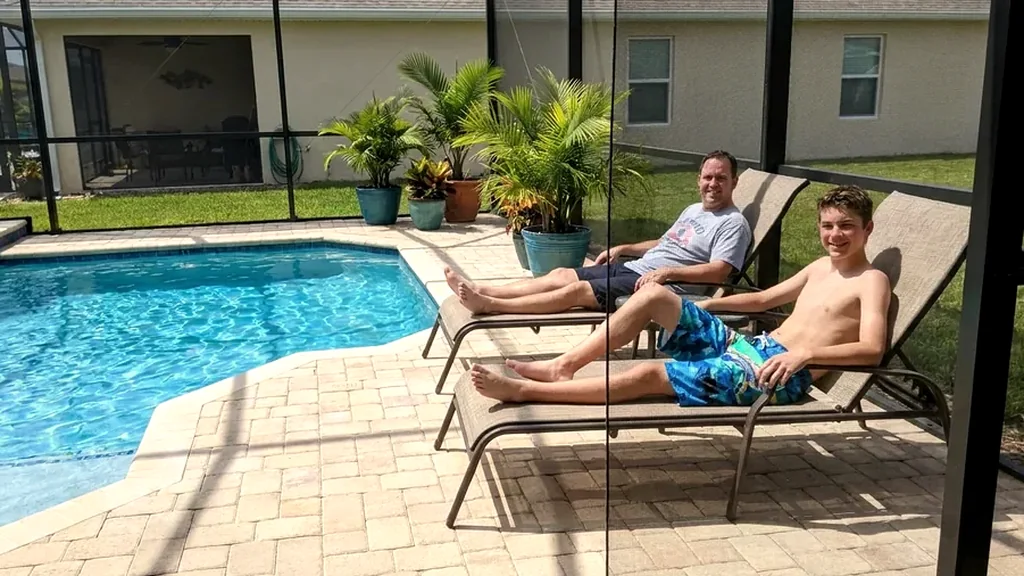
Why hire a local paver sealing contractor in Tarpon Springs?
Water shapes everything in Tarpon Springs, so people here pick a contractor who plans around damp air and sudden storms. To talk through your lot, you can ask for a free estimate.
A free first look
A contractor walks your Tarpon Springs stone at no charge and names a price before anything is agreed.
A price you can check
Companies near Palm Harbor commonly publish $1.00 to $1.75 per square foot to clean, sand and seal, a number for any Tarpon Springs bid.
Which finish suits you, matte or wet look?
Matte stays quiet beside an older home. A wet look adds shine but shows scuffs sooner, so choose with your own driveway in mind.
You make the call
You pick the date, the finish and whether to go ahead. Asking for a Tarpon Springs estimate does not commit you to a job.
Get Your Free Estimate in Tarpon Springs
Tell us about your pavers in Tarpon Springs.
Free, no obligation
What paver problems show up most in Tarpon Springs?
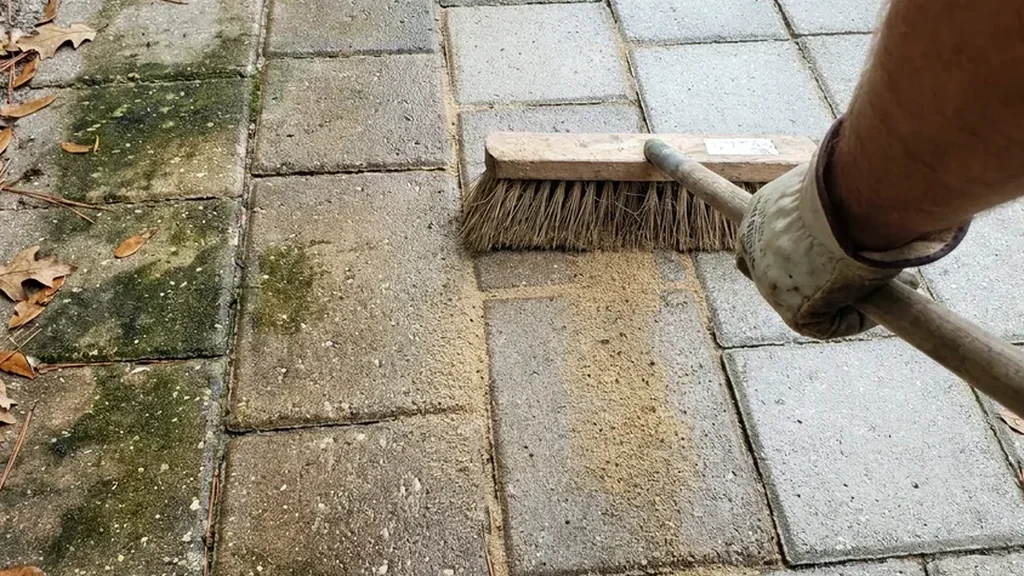
Damp air that keeps pavers green
Wikipedia counts 7.7 of the city's 16.9 square miles as water, which is almost 46 percent. Tampa area humidity averages 74 percent over a year and climbs in August. Air that wet keeps shaded pavers from drying, so green film and mildew return to the joints. Sealer laid over that growth would trap it, which is why the wash always comes first. Fall and winter are drier, so that is when the green fades slowest to return. A contractor who sees this often will plan extra wash time for the shaded edges of a lot. Picture the side of the lot that never sees direct sun, with a dark green edge along the walkway. That edge is the first place the film comes back, so it earns a closer look at the estimate. The Anclote River runs 29 miles from Starkey Wilderness Park to St. Joseph Sound, and the city sits near its mouth. That puts river air on top of bayou air. Lots close to either water feel it most.
Gulf storms that strip joint sand
Tarpon Springs gets about 50 inches of rain a year, and its summer storms can bring hail or waterspouts off the Gulf. Nearly two thirds of the Tampa area's rain falls between June and September. Heavy downpours wash sand out of the joints between pavers. Once joints open up, dirt drifts in and weeds take root. Washing also removes sand on purpose, so the fix is a refill before the coat, never skipped. Tarpon Springs homeowners often see this first along the edges, where water runs off the surface. After a storm, check the curb side of the driveway for a fan of sand that has moved. Sand on the street instead of in the joints is a sign the pavers need a refill. Wikipedia lists about 50 inches of rain a year. A wet June can empty a freshly filled joint within weeks. Edge seams beside the curb tend to go first.
Rust streaks from sprinklers
A University of Florida extension note says iron-rich well water, common across the state, stains buildings orange when it is used to irrigate. If your yard runs on a well, look for rust lines where spray lands on the pavers. Those marks have to be treated before sealing, because sealer would lock them underneath. Aiming heads away from the paving keeps new marks from forming. Rust lines near a garage door or pool cage are the usual place to look first. A pool cage or a garage wall near the spray often tells the story. The rust usually sits in a line that matches the sprinkler arc. Orange arcs from irrigation are easy to spot against pale stone. A pool cage near a pump is a common place to find them. Take a photo before the wash so the stain can be matched to its cause.
Old coats on older streets
The city has two National Register historic districts, so some pavers sit beside homes that are many decades old. An earlier owner could have used a product with no label left to read. The reason is simple: a water-based sealer will not bond over a solvent-based one. A peeling or cloudy patch is a clue that the old coat needs attention first. The contractor can test a small spot to see how the old product reacts. That small step saves a peeling result later. Many owners buy a house with the pavers already in place and never learn what was used. A contractor can still work it out, which is the reason to ask for a look before a price. The 1883 Safford House shows how old parts of the city are, and a walk beside an older house may have been patched more than once. Ask any neighbor who knows the repair history. That story can save a surprise at the wash.
Different surfaces wear at different speeds
A Tarpon Springs paver company says a driveway in direct sun may need a new coat every 3 to 4 years, while a covered lanai can go about 10. It adds that travertine and other dense pavers need a penetrating sealer. So one property can hold three schedules. A good estimate names each surface instead of lumping them together. Pool decks and walkways are measured in too, so a bigger layout means a bigger total. That is a common reason two Tarpon Springs neighbors get different quotes for what looks like the same job. Travertine pool decks are common around Florida and need a penetrating sealer, according to a Tarpon Springs company. Ask what your deck is made of before you compare quotes. The product changes the price.
Do historic streets in Tarpon Springs change how pavers get sealed?
They can, because the Greektown Historic District and the Tarpon Springs Historic District are both on the National Register. The 1883 Safford House and Old Tarpon Springs City Hall sit among the listings too. Tell the contractor if your home is in one of these areas when you ask for a free estimate.
Older homes here often have walkways close to wood siding, porches and old masonry. Rinse water and cleaners need care in those spots, so the crew should keep runoff off the walls. A finish that matches the look of the street usually means matte. Mention what the house is built from when you call (727) 324-4247.
A National Register listing is an honor, and the Wikipedia list does not say what rules apply. Before you change the look of a front walk, ask the city planning office whether your address has any. That one question is quick, and it can save a redo. With that answer in hand, ask for a free estimate and pass it along.
What does paver sealing cost in Tarpon Springs?
A Palm Harbor paver company says most projects run $1.00 to $1.75 per square foot, and that weeds, joint sand, old sealer and faded color push a job up. Bayou-side shade can add the same kind of work in Tarpon Springs. A wider layout raises the final total, even when the rate per foot stays put. When you want a figure for your stones, ask for a free estimate and ask for the free walk-through.
Access plays a part as well. A wide open driveway is quicker than a courtyard where hoses and gear are carried in by hand. A pool deck with a screen cage also takes slower, careful work. A quick call to (727) 324-4247 lets the contractor say which of these fit your lot before you book.
| Paved area | Typical example | Clean, sand and seal |
|---|---|---|
| 300 sq ft | Small patio or walkway | $300 to $525 |
| 600 sq ft | Two car driveway | $600 to $1,050 |
| 1,000 sq ft | Large driveway or pool deck | $1,000 to $1,750 |
| 1,500 sq ft | Driveway plus pool deck | $1,500 to $2,625 |
Math based on the $1.00 to $1.75 per square foot that Tampa Bay paver companies publish. Your contractor sets the actual price after seeing the surface. Repairs, leveling and stripping failed sealer are usually extra.
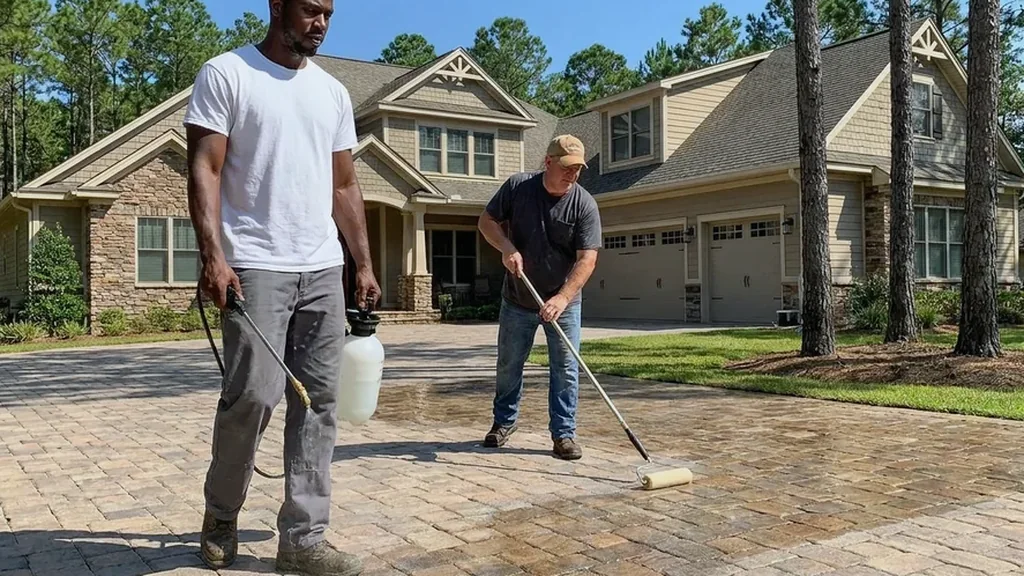
How does a paver sealing job work in Tarpon Springs?
Test the old coat
A small patch shows what is on the stone. Whether it is solvent-based decides what can follow. Lifted pavers near tree roots get flagged. Note any rust arcs from sprinklers while you are out there. The Heritage Museum in Craig Park and Old City Hall mark an older core where paving history runs deep.
Rinse the bayou film away
Wash water pulls off green film, dark mildew and old stains. Shaded edges beside walls and bushes get extra time. Runoff stays off older siding and brick. A bare, clean paver is what lets the coat bond. Spring Bayou and the Anclote River bring damp air, which is why green film is the first thing a crew sees.
Top off the seams
Rinsing takes sand with it, and Gulf rain takes more. Fresh sand is brushed into each seam and the extra is swept away. A full seam locks stone and keeps weeds from rooting. Low edges near the curb often need the most. A quick look after a big storm is worthwhile, since heavy rain moves sand.
Hold for dry weather
The stone must be dry on top and in the seams. With humidity averaging about 74 percent over a year in the Tampa area, mornings can feel damp. A crew checks by hand and waits for the afternoon sun. A slipped day is better than trapped moisture. Ask how the crew will protect your plants and the bayou side of the yard from runoff.
Coat, then wait
Next the sealer is applied, matte or wet look. Scuffs show sooner on a wet look, so a busy drive may suit matte. Many quotes put a recoat two to five years out. Ask when feet and cars can return. Take a photo of the finish in daylight once it has cured.
Complete paver services in Tarpon Springs
Tarpon Springs jobs start with water, not sealer. A crew looks at where bayou damp settles, washes the film off, packs the seams with sand and waits for stone and joints to dry. Only then does the coat go on. Call (727) 324-4247 to hear how long that wait usually runs near the water.
A historic-street walk, a modern driveway and a lanai under a roof all behave differently. Dense pavers such as travertine call for a penetrating sealer, according to a local company. So the estimate should name each surface and its product. Share what you have when you ask for a free estimate.
Old coats decide the new one. Water-based will not bond over solvent-based, and an earlier owner may have left no label to read. A small test patch gives the answer in a few minutes. Call (727) 324-4247 and ask how that test works.
The Tampa area wet season holds from late May to early October, peaking in July and August. Wikipedia notes that summer thunderstorms here can bring hail or waterspouts off the Gulf, so a clear forecast matters. Fall and winter suit sealing better. For a good week, ask for a free estimate.
Questions to ask before you hire
- If my HOA needs to approve the finish, can you show them a sample?
- How far does the cleaning go, up to the garage door and out to the curb?
- What should I move off the patio before you arrive?
- Is the price different for a matte finish and a glossy one?
- How do you keep sealer from pooling in low spots that stay wet after rain?
- Which sealer will you use, and how does it hold up in Florida sun?
- How long should I stay off the pavers while the sealer cures?
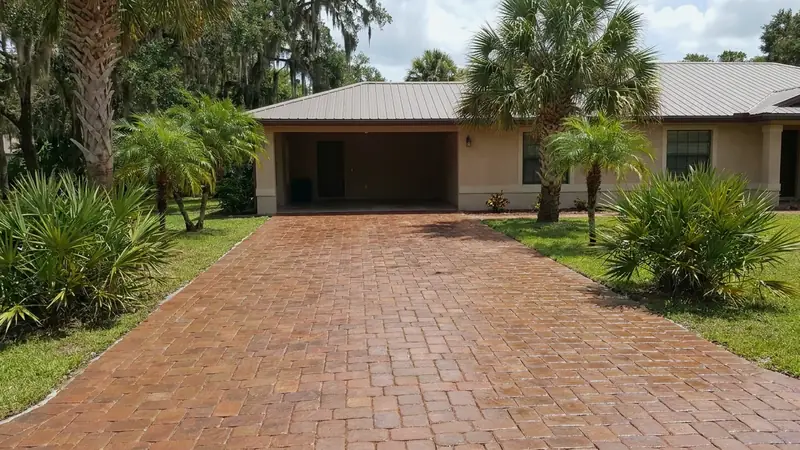
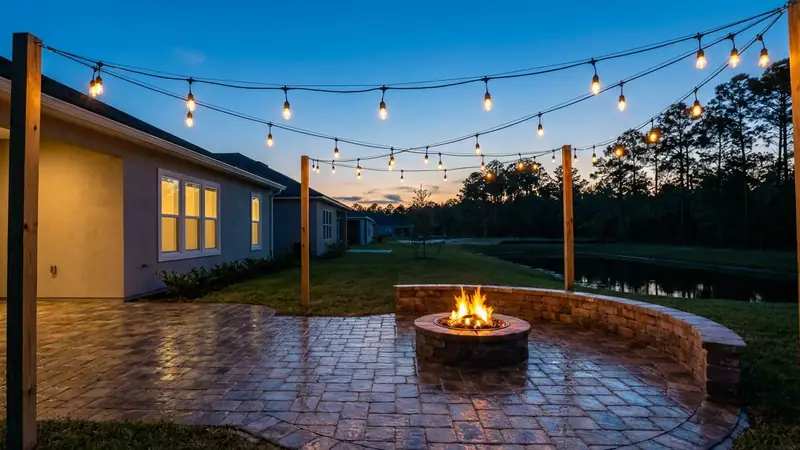
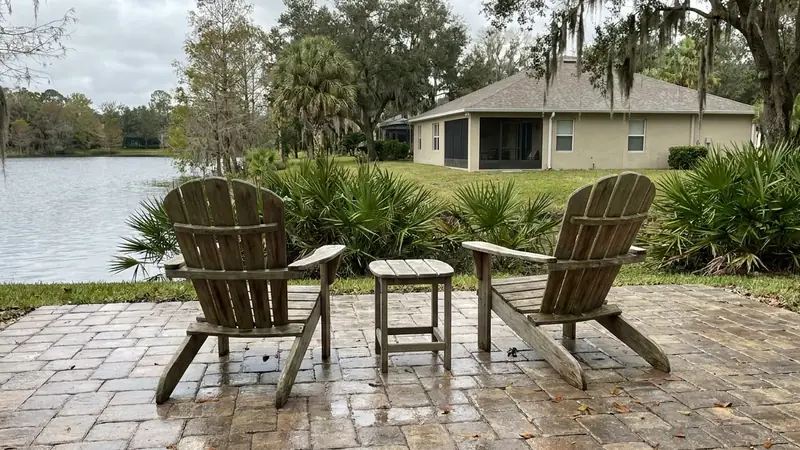
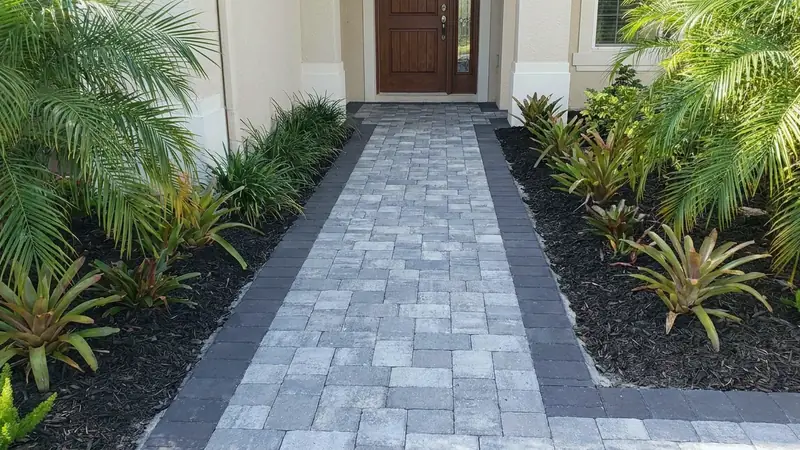
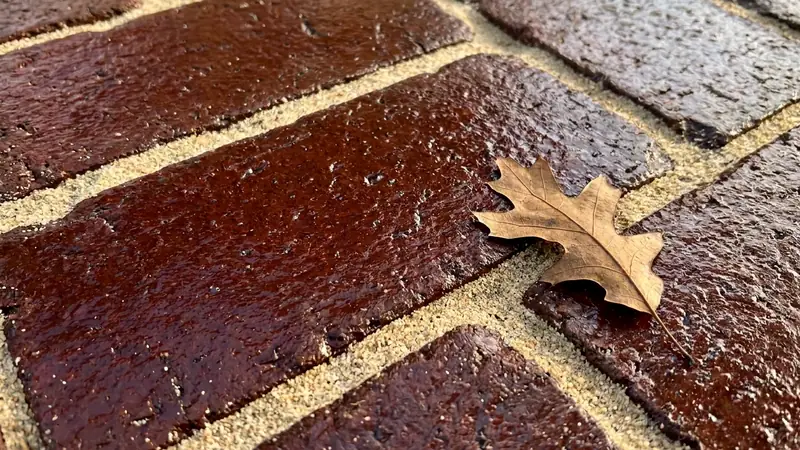
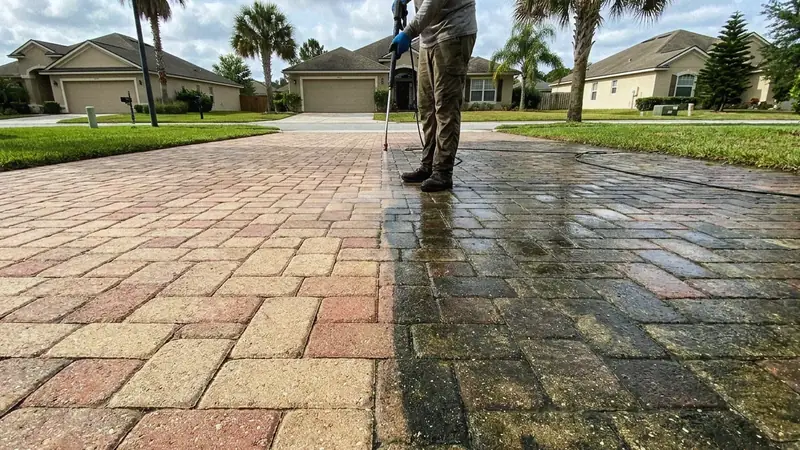
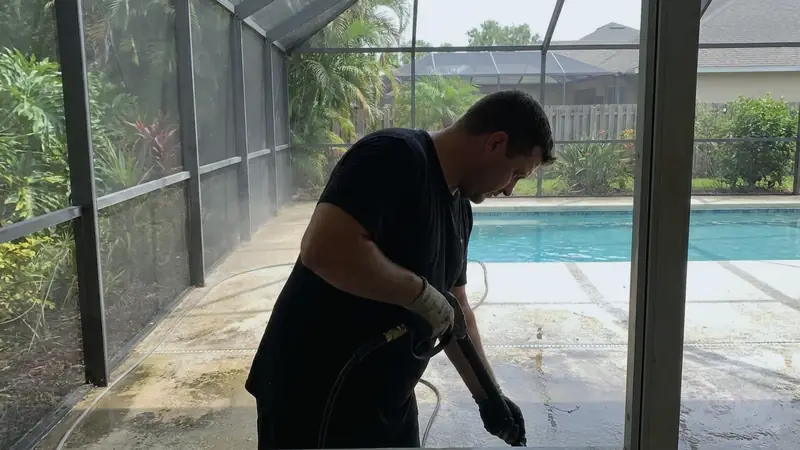
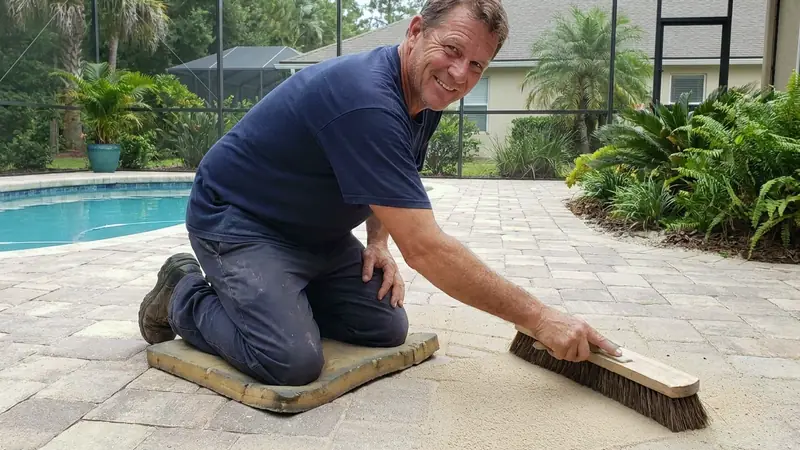
What do sealed pavers look like around Tarpon Springs?
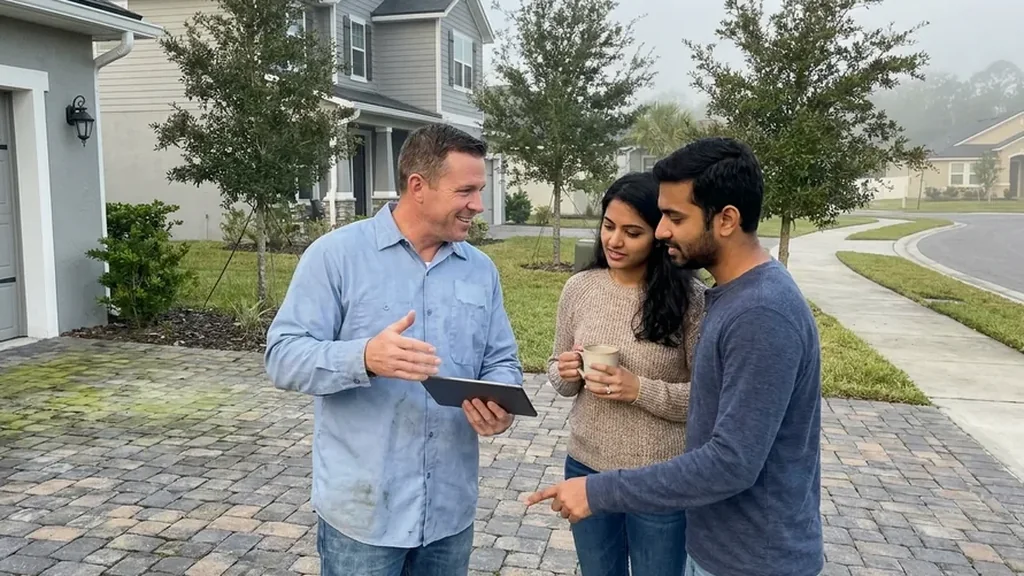
Why local matters in Tarpon Springs
A crew used to Tarpon Springs knows nearly 46 percent of the city is water. Bayous, the Anclote River and Spring Bayou feed damp air to every lot nearby. That tells them to ask how fast your stone dries. Phone (727) 324-4247 and tell them how near the water your lot sits.
Two National Register districts, Greektown and the Tarpon Springs Historic District, sit among newer streets. Crews who work both learn to ask about local rules and to protect older walls. A newcomer may not. If your home is in one of those districts, ask for a free estimate and say which.
Gulf weather moves fast. A bright morning can turn into a hail-and-thunder afternoon, so local crews hold a spare day. That cushion keeps a fresh coat from getting rained on. To plan around your own calendar, ask for a free estimate and share your dates.
Is it worth hiring someone who knows Tarpon Springs' older streets?
Yes, because the town grew in layers and each layer treats pavers differently. Hamilton Disston ordered a town plan in 1882, and the city became the first incorporated one in what is now Pinellas County in 1887. The Orange Belt Railway arrived in January 1888. If your home dates to that older core, ask for a free estimate and say so.
Landmarks help you picture the place. The Heritage Museum sits in Craig Park, the Safford House dates to 1883, and Spring Bayou is where the Epiphany cross is thrown each January. The Anclote River runs through the sponge docks on its way to St. Joseph Sound. Near any of these Tarpon Springs spots, call (727) 324-4247 and name your street.
Frequently Asked Questions
What are the typical costs of pressure washing and sealing pavers in Tarpon Springs?
Shops around Palm Harbor tend to post $1.00 to $1.75 a square foot for the full clean, sand and seal. A Tarpon Springs job lands higher when weeds, old sealer or lost sand add work. Ask for the total area in the estimate so you can compare it to that range. Bayou-side lots often sit near the top of that range because of the extra wash time.
Which paver sealer suits Tarpon Springs homes?
Water-based and solvent-based sealers are the two main kinds, and the old coat decides which can go on. Water-based cannot be applied over solvent-based. Get the product name written down so the next coat can match it. On older Tarpon Springs property, ask for a test patch before the full job.
How do you pressure wash pavers without removing the sand?
You do not, because washing pulls joint sand out. The contractor replaces it afterward and sweeps the joints full before sealing. If your joints look low after a wash, that is a normal step and not a mistake. Hand-check the joints after the wash, since the top of a paver dries before the seam does.
Can dish soap clean pavers before sealing in Tarpon Springs?
Ask the contractor what cleaner goes on your pavers and how it is rinsed off. Since sealer is the last layer, anything left on the surface stays sealed in. Shaded spots near a bayou may need more cleaning time than a sunny driveway. Shaded corners beside bushes tend to go green first, which is a normal sign.
How often do pavers need sealing in Tarpon Springs?
Two to five years between coats is the span most quotes give. One Tarpon Springs company says a sunny driveway may need a coat every 3 to 4 years, while a covered lanai may go about 10. Shade, traffic and the kind of paver all move the number.
Does sealing pavers in Tarpon Springs have any drawbacks?
The coat thins out over time and has to be redone. On a wet look, scuffs show up faster than they do on matte stone. It also needs a dry surface, so a rainy week can push back the date on a damp Tarpon Springs lot.
Can new sealer go over what is already on my pavers?
Sometimes not, because a water-based product will not bond over a solvent-based coat. The first job is finding out what the old product is. On an older Tarpon Springs property you may not know who sealed the pavers last, so keep any receipts you find.
How long should I stay off Tarpon Springs pavers after sealing?
Plan on about a day for foot traffic and one to three days before cars, depending on the sealer and the weather. Humid bayou air can stretch the time. The contractor can give you a clear number on the day.
Nearby areas we serve
Ready for a Free Estimate in Tarpon Springs?
Call (727) 324-4247 and tell us about your pavers.
Free, no obligation